


Online retailers face unprecedented competition in 2026, with digital ad spending projected to exceed $800 billion globally. An ecommerce advertising agency specializes in driving measurable revenue growth through strategic paid media management, advanced targeting capabilities, and relentless focus on return on investment. These specialized agencies combine platform expertise, creative optimization, and data-driven decision making to help brands maximize customer acquisition while maintaining profitable unit economics.
What Defines an Ecommerce Advertising Agency
An ecommerce advertising agency focuses exclusively on paid media strategies that drive online sales and revenue. Unlike generalist marketing firms, these agencies understand the unique metrics that matter for online retail: customer acquisition cost, average order value, cart abandonment rates, and lifetime customer value.
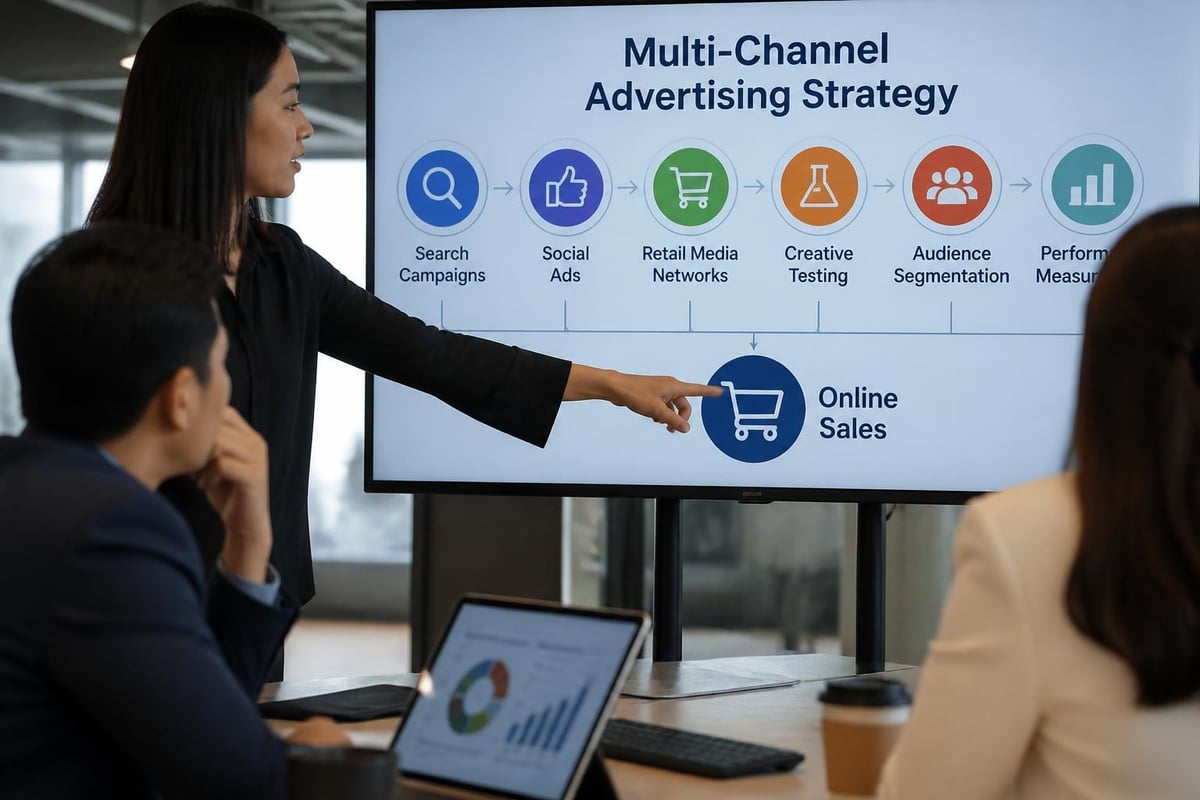
The specialization goes beyond platform management. Top agencies build comprehensive advertising ecosystems that connect upper-funnel awareness campaigns with bottom-funnel conversion tactics. They architect customer journeys across multiple touchpoints, ensuring consistent messaging from initial discovery through post-purchase retention.
Core Competencies and Service Offerings
Modern ecommerce agencies deliver several critical capabilities:
- Strategic campaign planning aligned with revenue targets and inventory cycles
- Multi-platform media buying across search, social, display, and emerging retail media networks
- Creative production optimized for platform-specific formats and audience segments
- Advanced audience targeting using first-party data and privacy-compliant approaches
- Conversion rate optimization through landing page testing and checkout flow improvements
- Attribution modeling that accurately connects ad spend to revenue outcomes
Platform expertise separates exceptional agencies from mediocre ones. The best teams maintain certified specialists across Google Ads, Meta platforms, TikTok, Amazon Advertising, and emerging channels. They stay current with algorithm changes, beta features, and policy updates that impact campaign performance.
The Strategic Value of Specialized Expertise
Generic advertising agencies often struggle with ecommerce nuances. Product catalog management, dynamic remarketing, seasonal inventory planning, and shopping feed optimization require specialized knowledge. An ecommerce advertising agency brings this domain expertise from day one.
Consider the complexity of modern retail media networks. According to Nielsen’s research on retail media, these platforms now represent a $100+ billion opportunity, yet many advertisers struggle with measurement standards and cross-platform attribution. Specialized agencies navigate these challenges through established vendor relationships and proprietary tracking methodologies.
Data Infrastructure and Measurement Capabilities
Effective ecommerce advertising depends on robust data foundations. Leading agencies implement server-side tracking, conversion APIs, and privacy-compliant measurement frameworks that maintain accuracy despite browser restrictions and iOS privacy changes.
The IAB Tech Lab’s work on Privacy Sandbox standards shapes how agencies approach cookieless targeting and measurement. Forward-thinking teams already test alternative identifiers, contextual targeting strategies, and first-party data activation methods that will define advertising effectiveness through 2027 and beyond.
| Measurement Approach | Accuracy Level | Implementation Complexity | Privacy Compliance |
|---|---|---|---|
| Server-side tracking | 95%+ | High | Excellent |
| Browser-based pixels | 70-80% | Medium | Moderate |
| Platform-native conversion APIs | 90%+ | Medium-High | Excellent |
| Multi-touch attribution models | Varies | Very High | Good |
First-party data strategies have become non-negotiable. Agencies help brands build owned audiences through email capture, loyalty programs, and on-site behavioral tracking. These proprietary segments drive more efficient targeting and reduce dependence on third-party data sources facing regulatory pressure.
Platform Selection and Channel Strategy
Not every platform deserves equal investment. An experienced ecommerce advertising agency conducts thorough channel audits to identify where target customers actually spend time and demonstrate purchase intent.
Google Shopping campaigns remain essential for most product categories, capturing high-intent searches at the moment of active consideration. Meta platforms excel at discovery-driven purchases and visual product categories. TikTok delivers unprecedented reach among younger demographics, while Amazon Advertising converts existing purchase intent on the world's largest product search engine.
Emerging Channels and Format Innovation
Smart agencies allocate testing budgets to emerging platforms before they become saturated. Pinterest Shopping ads drive strong results for home decor, fashion, and lifestyle products. Snapchat's AR try-on capabilities create engaging experiences for beauty and eyewear brands. Connected TV advertising reaches cord-cutters with full-funnel storytelling.
Meta Blueprint’s ecommerce advertising training provides detailed guidance on catalog setup, dynamic ads, and collection formats that many brands underutilize. Agencies leverage these advanced features to automate personalization at scale, showing each customer the exact products they're most likely to purchase.
Creative testing velocity determines campaign success. Top agencies produce dozens of ad variants monthly, systematically testing headlines, images, video hooks, and calls-to-action. They understand that creative fatigue happens quickly in ecommerce, especially during promotional periods when frequency increases.
Businesses looking to build internal capabilities can explore structured digital marketing training programs that cover platform strategies, campaign optimization, and performance analysis methodologies used by leading agencies.

Budget Allocation and ROI Management
Financial discipline separates profitable ecommerce advertising from wasteful spending. An ecommerce advertising agency builds detailed financial models that connect ad spend to revenue, margin, and profitability metrics.
Budget allocation starts with contribution margin analysis. Products with higher margins can support more aggressive customer acquisition costs. Loss-leader strategies might accept negative first-purchase ROI when lifetime value justifies the investment. Agencies model these scenarios to optimize portfolio-level profitability.
Performance Tracking and Optimization Cycles
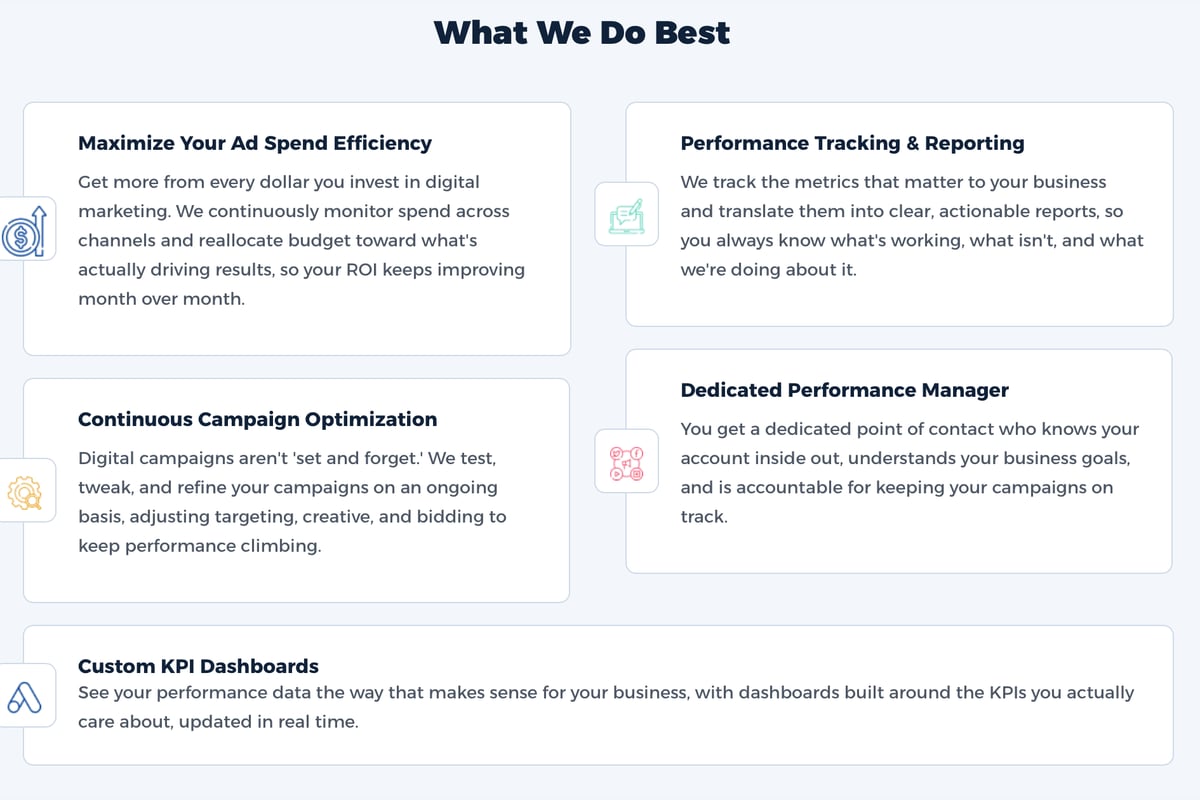
Daily monitoring catches performance shifts before they significantly impact spending. Automated rules pause underperforming campaigns, while high-performers receive incremental budget increases. Weekly deep dives examine audience segment performance, creative effectiveness, and landing page conversion rates.
Monthly strategic reviews assess channel mix, competitive positioning, and market opportunity. Quarterly planning cycles align advertising strategy with inventory management, product launches, and seasonal demand patterns.
- Daily: Bid adjustments, budget pacing, creative refreshes for fatigued ads
- Weekly: Audience analysis, placement performance, search query optimization
- Monthly: Channel rebalancing, attribution review, competitive intelligence
- Quarterly: Strategic planning, annual forecasting, technology stack evaluation
According to the IAB and PwC’s Internet Advertising Revenue Report, retail and ecommerce verticals now represent over 25% of total digital ad spending. This massive investment level demands rigorous performance management and continuous optimization.
Professional performance management services help businesses track campaign effectiveness, identify optimization opportunities, and implement systematic improvement processes that compound results over time.
Creative Strategy for Ecommerce Success
Product photography alone no longer drives results. Modern ecommerce creative combines lifestyle imagery, user-generated content, influencer partnerships, and authentic testimonials that build trust and desire.
Video has become table stakes across platforms. TikTok and Reels demand native-feeling content that entertains first and sells second. YouTube requires longer-form storytelling that educates and demonstrates value. Display ads need instant visual impact that stops mid-scroll.
User-Generated Content and Social Proof
Smart agencies implement systematic UGC collection through post-purchase email sequences, hashtag campaigns, and influencer partnerships. This authentic content typically outperforms professionally produced assets, especially among younger demographics skeptical of traditional advertising.
Review integration, unboxing videos, and customer testimonials provide social proof that reduces purchase hesitation. Agencies test these elements extensively to identify which formats drive the strongest conversion lift for specific product categories.
Dynamic creative optimization automates personalization. Agencies set up product feed-driven templates that automatically populate with the right products for each audience segment. Someone who abandoned a cart sees those exact items. First-time visitors see best-sellers or current promotions. Repeat customers receive new arrival announcements.
| Creative Type | Platform Fit | Production Cost | Typical Performance |
|---|---|---|---|
| UGC-style videos | TikTok, Reels, Stories | Low | High engagement |
| Professional product demos | YouTube, Facebook Feed | Medium-High | Strong conversion |
| Carousel showcases | Instagram, Facebook | Medium | Excellent for discovery |
| Dynamic product ads | All platforms | Low (template-based) | Consistent revenue driver |
Technical Infrastructure and Integration
Backend systems make or break ecommerce advertising effectiveness. An ecommerce advertising agency ensures proper implementation of tracking pixels, conversion APIs, and product catalog feeds that power automated campaigns.
Google Analytics 4 migration represents a significant technical lift that many brands still haven't completed properly. GA4's event-based model requires restructured tracking plans and custom conversion definitions. Agencies handle this complexity while maintaining historical data continuity.
Catalog Management and Feed Optimization
Product feed quality directly impacts shopping campaign performance. Missing attributes, poor image quality, and vague descriptions limit visibility and click-through rates. Agencies implement feed management tools that enrich product data with optimized titles, categorization, and custom labels for strategic bidding.
Inventory sync prevents wasted ad spend on out-of-stock items while capitalizing on high-margin products with healthy stock levels. Real-time feed updates ensure customers see accurate pricing and availability, reducing frustration and return rates.
API integrations create closed-loop optimization. Connecting advertising platforms directly to ecommerce backends enables sophisticated strategies like targeting based on lifetime value segments, suppressing recent purchasers, and adjusting bids based on real-time inventory levels.
The IAB’s State of Data 2024 report highlights that brands investing in first-party data infrastructure achieve 30% better campaign performance than those relying solely on platform targeting. This technical foundation pays long-term dividends.

Scaling Strategies and Growth Frameworks
Sustainable growth requires systematic expansion beyond initial winning campaigns. An ecommerce advertising agency develops growth frameworks that identify new customer segments, geographic markets, and product categories ready for investment.
Horizontal scaling maintains existing campaign structures while increasing budgets proportionally. This approach works until audience saturation creates diminishing returns. Vertical scaling expands into new platforms, audiences, and creative formats to access untapped demand.
Market Expansion and International Growth
Geographic expansion introduces complexity around language, currency, payment methods, and cultural preferences. Agencies conduct market research to prioritize countries with strong demand signals, manageable logistics, and favorable economic conditions.
Localization goes beyond translation. Successful international campaigns adapt creative concepts, influencer partnerships, and promotional calendars to local holidays and shopping behaviors. Payment option availability, shipping cost expectations, and return policies all impact conversion rates across markets.
Testing budgets fund innovation. Forward-thinking agencies allocate 10-15% of total spend to experimental channels, audience segments, and creative formats. Most tests fail, but successful discoveries often become major revenue drivers within 6-12 months.
Businesses can develop internal expertise through comprehensive digital marketing courses that cover strategic planning, campaign management, and advanced optimization techniques used by high-performing agencies.
Agency Selection and Partnership Models
Choosing the right ecommerce advertising agency requires evaluating far more than case studies and pricing. Cultural fit, communication style, and strategic alignment determine long-term success.
Retainer models provide dedicated team resources and strategic continuity. Performance-based arrangements align incentives around revenue growth but may discourage necessary brand-building investments. Hybrid structures combine base fees with performance bonuses tied to specific KPIs.
Evaluation Criteria and Red Flags
Ask detailed questions about measurement methodology. Agencies that over-credit last-click attribution may report inflated results while underinvesting in upper-funnel awareness. Request multi-touch attribution reporting that acknowledges the full customer journey.
Review technology stack and data access policies. You should maintain ownership of all account data, creative assets, and audience lists. Avoid agencies that restrict access or charge excessive fees for data portability.
Reference checks reveal more than case studies. Speak with current clients about responsiveness, transparency, and how the agency handles performance challenges. Long client tenures indicate strong partnerships and consistent results.
- Verify platform certifications and partnership status
- Review team structure and who manages your account daily
- Understand reporting cadence and performance review processes
- Clarify contract terms, minimums, and termination provisions
- Assess proprietary technology and what happens if you switch agencies
Future-Proofing Ecommerce Advertising
Privacy regulations, platform policy changes, and evolving consumer behaviors require agencies that anticipate shifts rather than react to them. An ecommerce advertising agency worth partnering with invests in emerging capabilities before they become industry standard.
AI-powered creative generation, predictive audience modeling, and automated bidding strategies represent the near-term frontier. Agencies testing these capabilities now will dominate performance in 2027 and beyond.
Preparing for a Cookieless Future
Research on privacy-preserving measurement approaches demonstrates that effective advertising can thrive without individual-level tracking. Contextual targeting, cohort-based measurement, and incrementality testing will replace many current attribution methodologies.
Smart agencies build measurement frameworks that don't depend on persistent identifiers. They invest in first-party data infrastructure, test alternative targeting approaches, and educate clients about evolving performance benchmarks in a privacy-first ecosystem.
Retail media networks gain importance as third-party cookies disappear. Amazon, Walmart, Instacart, and category-specific marketplaces offer authenticated user environments where targeting remains precise. Agencies skilled at retail media buying will deliver outsized value as other channels face measurement constraints.
Organizations can develop internal capabilities through strategic consulting services that transfer knowledge while building customized processes aligned with specific business models and growth objectives.
An ecommerce advertising agency delivers specialized expertise that transforms paid media from cost center to profit engine through disciplined strategy, rigorous testing, and relentless optimization. The best partnerships combine platform mastery with deep ecommerce understanding and transparent measurement practices. Whether you're building internal capabilities or seeking expert management of your advertising investments, Intoact provides comprehensive digital marketing training, performance management services, and strategic consulting focused on measurable ROI and sustainable growth. Connect with our team to explore how customized training or hands-on campaign management can accelerate your ecommerce success.


